
Compare the best AI automation and agent tools, including the Best AI Automation & Agent Tools, ranked by real workflows and practical use cases.
🔹 Make
What is Make
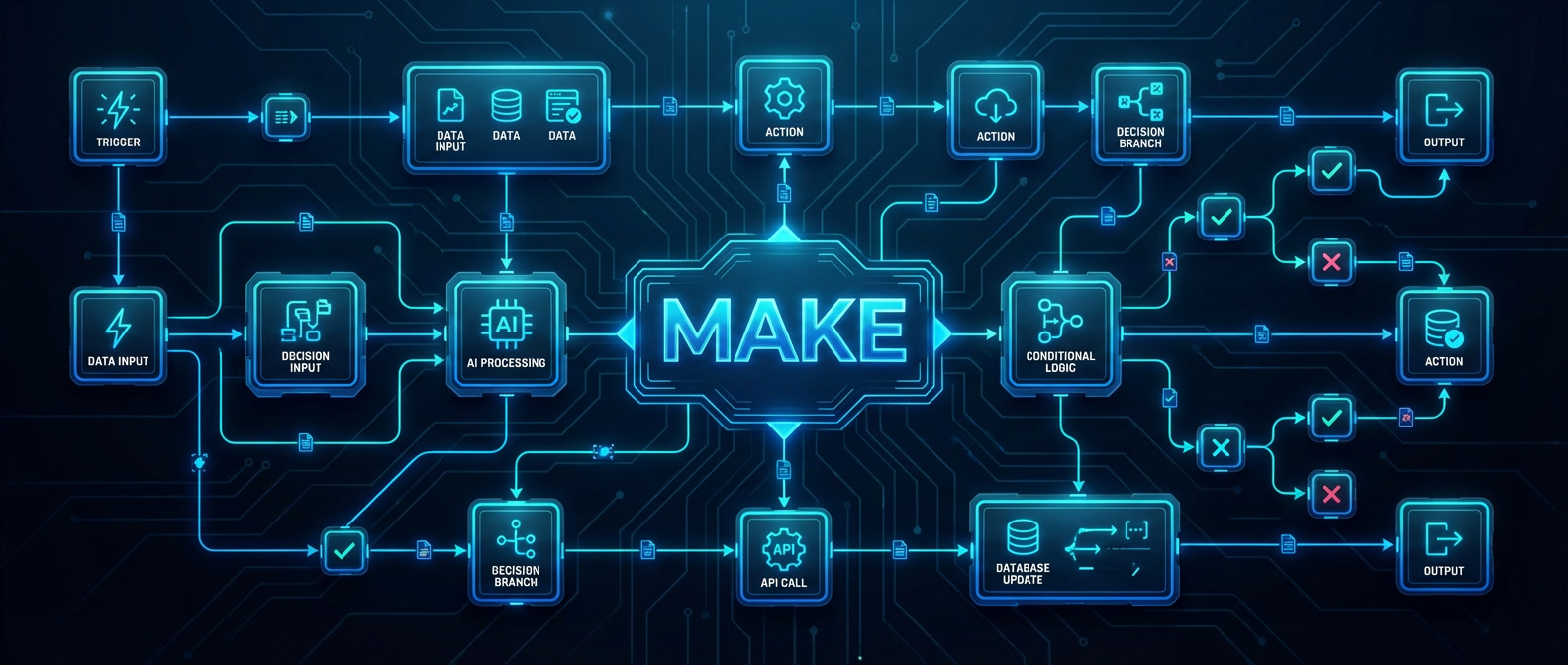
Make is an AI-powered workflow automation platform that helps users connect apps, automate tasks, and build complex workflows without coding.
It is widely used to automate business processes, integrations, and everyday repetitive tasks using visual logic.
Key Features
- Visual workflow automation builder
- AI-assisted automation and smart triggers
- Thousands of app integrations
- Conditional logic and branching
- Scheduling and real-time execution
- Scalable workflows for teams
Best Use Cases
- Automating repetitive work tasks
- Connecting apps and syncing data
- Marketing and content workflow automation
- AI-powered task orchestration
- Everyday productivity automation
Pros & Cons
Pros
- Extremely flexible automation logic
- Powerful visual workflow editor
- Works for simple and advanced use cases
- Suitable for individuals and teams
Cons
- Learning curve for complex workflows
- Large scenarios can become hard to manage
Discover the Best AI Automation & Agent Tools to enhance your productivity and streamline your processes.
Pricing & Plans
Make an offer for a free plan with limited operations for learning and testing.
Paid plans unlock higher limits, advanced features, and team collaboration.
Build powerful automation workflows without writing code
🔹 Zapier
What is Zapier
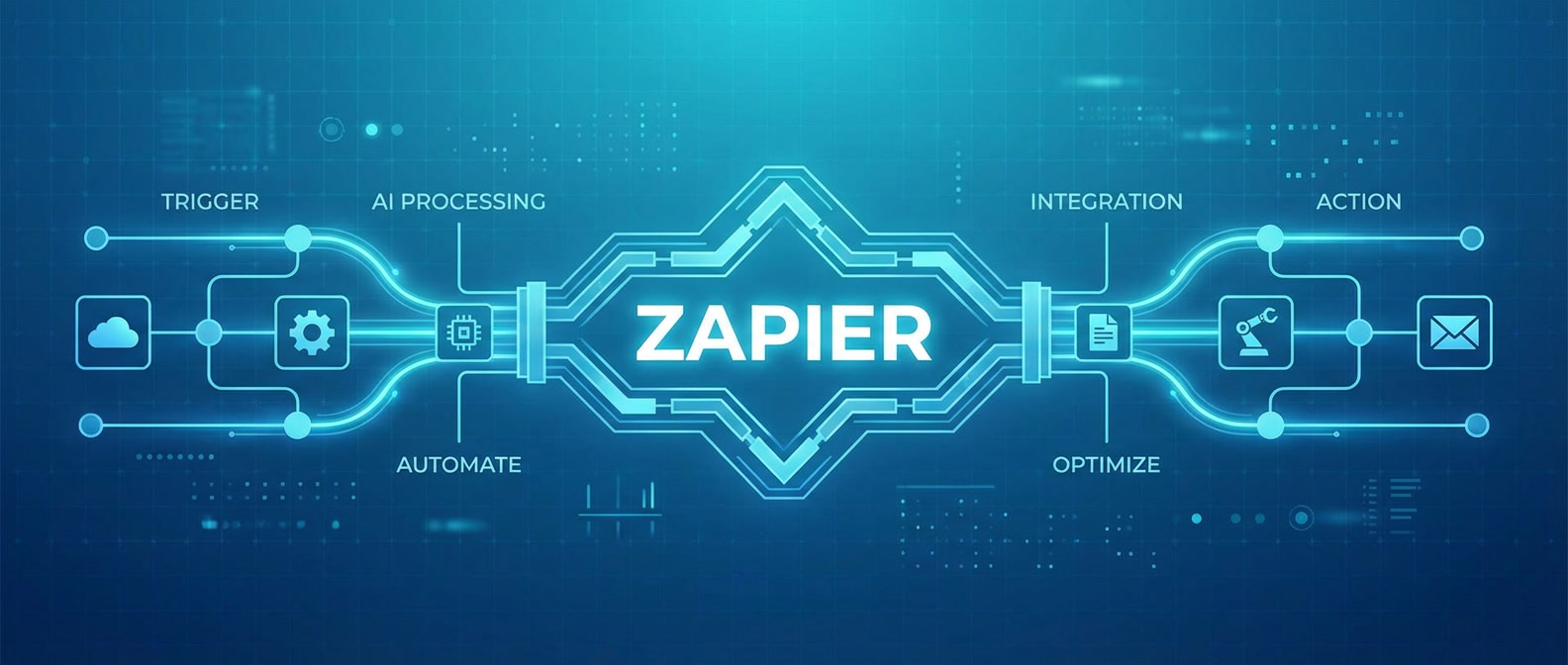
Zapier is an AI-powered automation tool that connects apps and automates repetitive tasks without coding
It allows users to move data and trigger actions between thousands of popular services in simple workflows
Zapier focuses on speed, ease of use, and everyday automation rather than complex logic or engineering setups
Key Features
- No code automation with triggers and actions
- Thousands of app integrations
- AI assisted workflow setup
- Ready made automation templates
- Browser based simple interface
Best Use Cases
- Automating repetitive business tasks
- Connecting apps without development skills
- Marketing and content automation
- Productivity workflows for teams and individual
Pros & Cons
Pros
- Very easy to use
- Fast setup for automations
- Huge integrations ecosystem
- Ideal for beginners and non technical users
Cons
- Limited logic and branching
- Not suitable for complex workflows
Pricing & Plans
Zapier uses a subscription-based pricing model
A free plan is available with limits, while paid plans unlock higher task volumes and advanced features for teams
Automate everyday tasks and connect your favorite apps in minutes
🔹 Base44
What is Base44
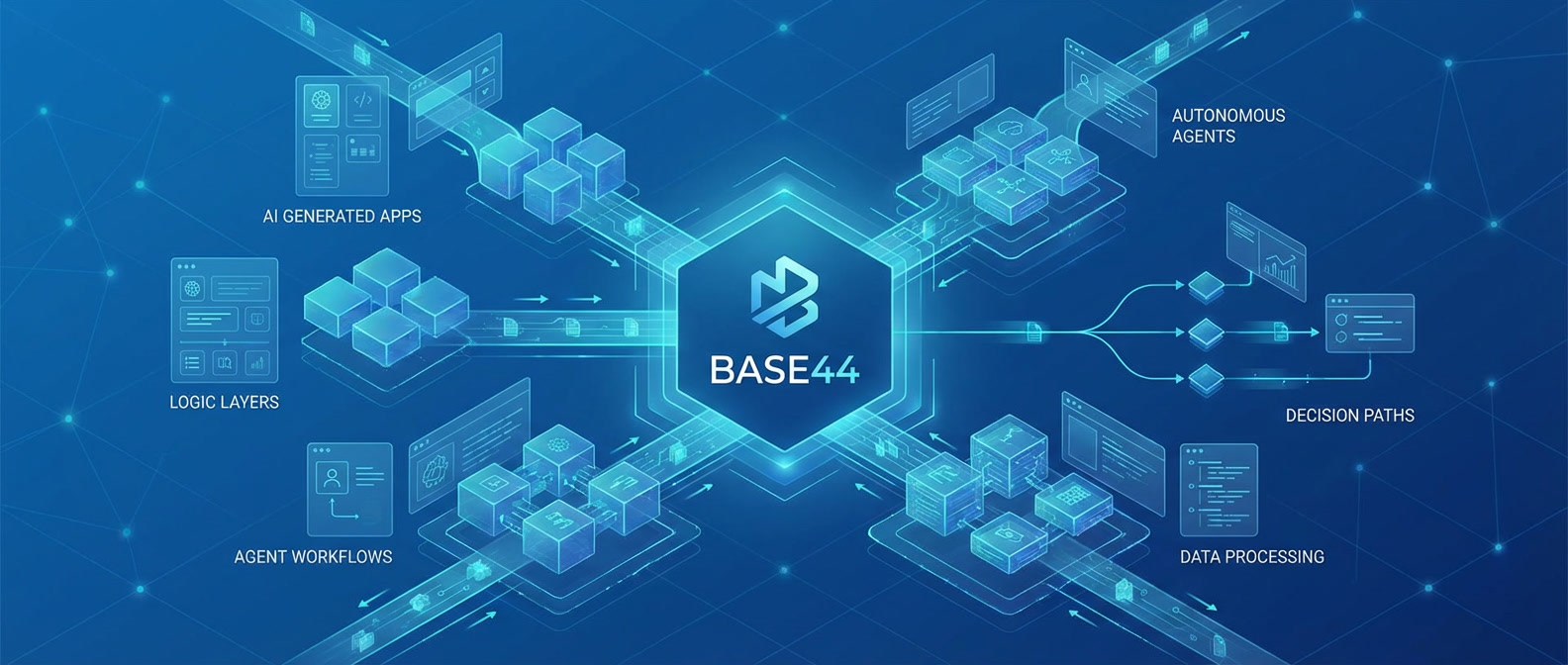
Base44 is an AI-powered platform for building custom applications, automations, and AI agents from natural language descriptions
Instead of manually creating workflows, users describe what they want to build, and Base44 generates the logic, structure, and functionality
Base44 is designed for more advanced automation scenarios where simple triggers and actions are not enough.
Key Features
- AI-driven app and automation generation from text
- AI agent creation with autonomous logic
- Custom workflow and business logic building
- API and data integration support
- Scalable tools for teams and advanced users
- Web-based development environment
Best Use Cases
- Building custom AI agents for tasks and processes
- Creating internal tools without manual coding
- Advanced business process automation
- Prototyping AI-powered applications
- Custom workflows beyond standard automation tools
Pros & Cons
Pros
- AI-native approach to app and agent creation
- Much more flexible than classic automation tools
- Suitable for complex and custom workflows
- Strong potential for scaling internal systems
Cons
- Higher learning curve than Zapier or Make
- Not ideal for very simple automations
- Requires a clear task definition to get the best results
Pricing & Plans
Base44 uses a subscription-based pricing model
A free plan is available to get started and test core features
Paid plans unlock higher limits, advanced capabilities and team features
Build custom AI agents and automation tools from simple descriptions
🔹 Emergent
What is Emergent
Emergent is an AI-powered platform designed to build, deploy and manage AI-driven applications and autonomous agents with real product logic.
Emergent allows users to create full AI applications rather than simple automations by combining large language models agent behavior workflows and integrations into one unified system.
Unlike classic automation tools that focus on task chaining, Emergent is built for AI-native products, including internal tools AI agents MVPs and production-ready applications that require flexibility, scalability and reasoning capabilities.
The platform is aimed at builders, startups and teams who want to turn AI ideas into working products without building everything from scratch.

Key Features
- Build AI-powered applications and agents
- Design agent logic and intelligent workflows
- Fast prototyping from idea to working product
- Integration with modern large language models
- Scalable architecture for production use
- Designed for AI-first development rather than basic automation
Best Use Cases
- Building autonomous AI agents
- Creating internal AI tools for teams
- Developing AI-driven MVPs and startups
- Workflow-based AI applications
- Custom AI products and experiments
Pros & Cons
Pros
- Built specifically for AI apps and agents
- Faster development compared to building from scratch
- Suitable for real-world production use
- Modern AI-native architecture
Cons
- Requires understanding of AI concepts
- Not designed for simple no-code automation
- Smaller ecosystem compared to mature platforms
Pricing & Plans
Emergent offers pricing based on usage, deployment needs and scale.
Plans are aimed at builder teams and startups developing AI-powered applications and agents.
Exact pricing depends on project complexity and infrastructure requirements.
Build AI agents and applications faster with an AI-native platform
When automation tools need expert implementation
AI automation and agent platforms can streamline workflows, connect systems, and reduce manual work. For many use cases, ready-made tools are enough to launch quickly.
But when automation involves complex integrations, multi-step logic, internal systems, API orchestration, or business-critical processes, configuration alone is not always sufficient.
If you need custom workflow architecture, AI agent deployment strategy, system integration, or ongoing optimization, you can work with experienced professionals through our AI Experts Hub.
Move from basic automation to scalable AI-driven operations.